AI Agent Security and Access Control
with Identity-Based Policies

Secure AI agents, models, and AI services by controlling who can access them and what actions they can perform through identity-based policies.
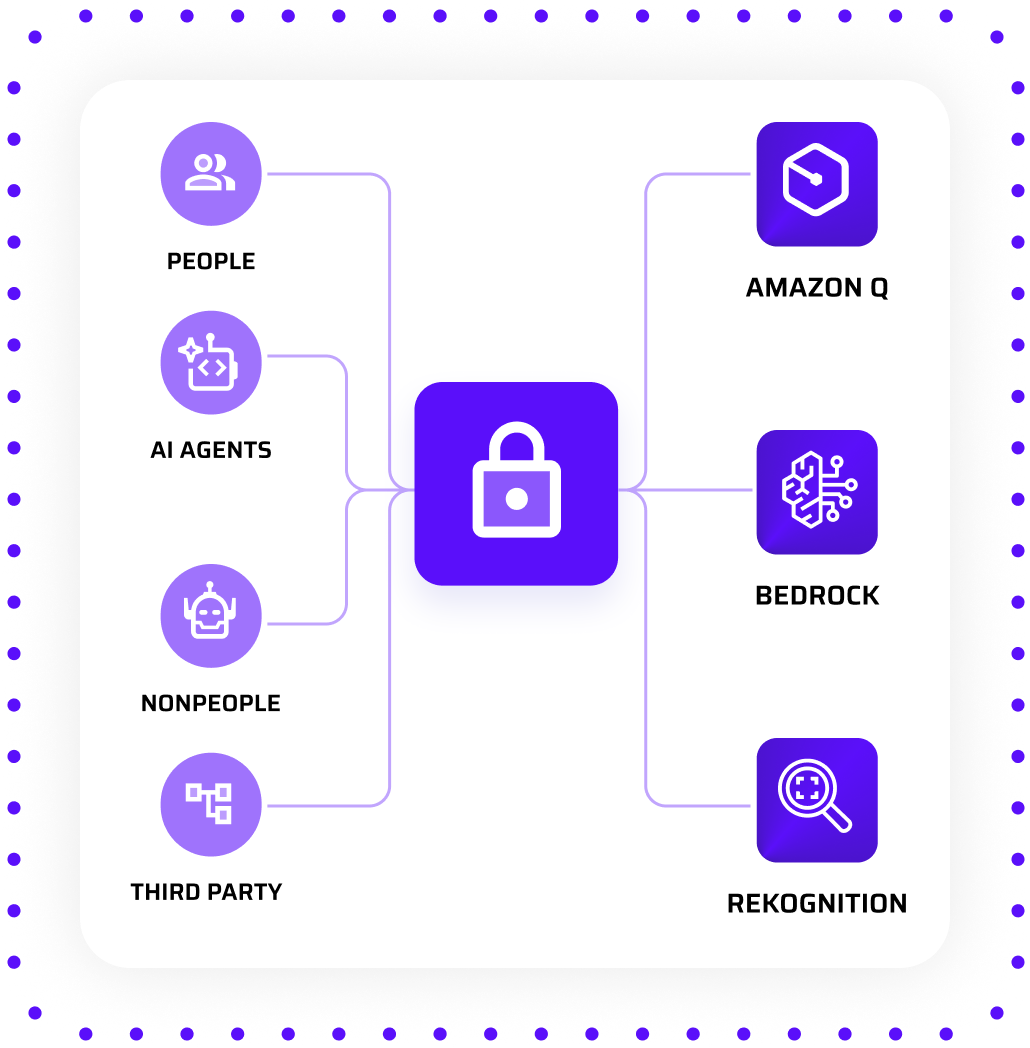

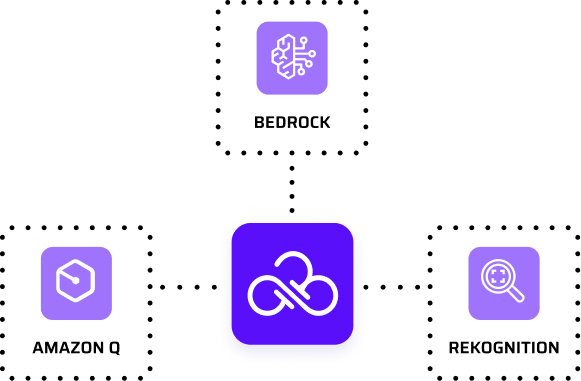
Diagram with a central lock icon connected to labels: People, AI Agents, Nonpeople, Third Party, Amazon Q, Bedrock, Rekognition.

Leading Cloud Organizations Rely on Sonrai

Stop AI Agents from Performing Actions They Shouldn’t

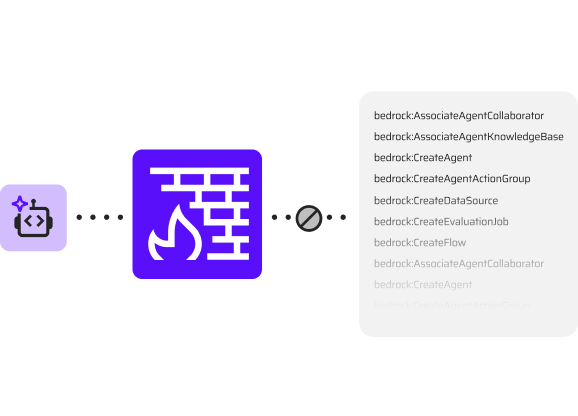
AI agents are identities, so treat them like it. They assume roles and inherit permissions just like any human user. Whether exploited by a bad actor or misused by a well intended employee, AI agents can take damaging action. Sonrai enforces permission boundaries at the IAM level, blocking agents from acting outside their authorized workflow while seamlessly granting access on demand when needed.

Prevent Unauthorized Access and Misuse of AI Services

Not every team, account, or identity should have access to every AI service. Sonrai’s Cloud Permissions Firewall lets you restrict access by scope, org-wide, by account, or down to individual identities, so you can completely block who can invoke models or interact with AI services in the first place. Stop unauthorized use before it starts.
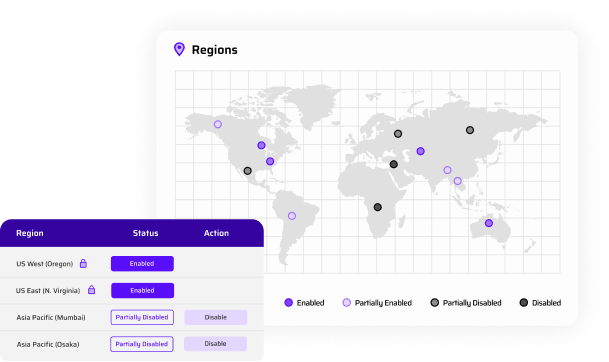
Restrict AI Deployment and Access by Region

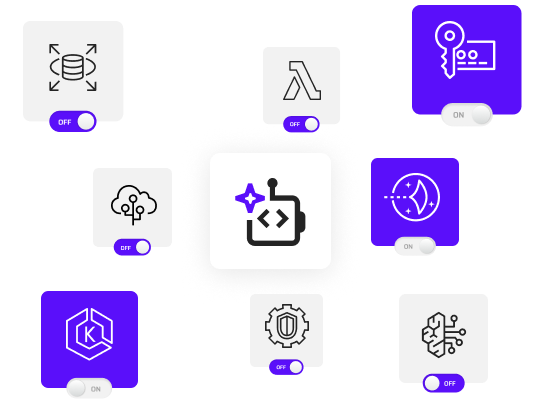
Control where your AI services run and which identities can interact with them. Sonrai blocks unauthorized deployments outside approved geographies and enforces region-based access policies at the IAM level, keeping you compliant without manual enforcement.

Protect AI Governance Controls from Unauthorized Changes

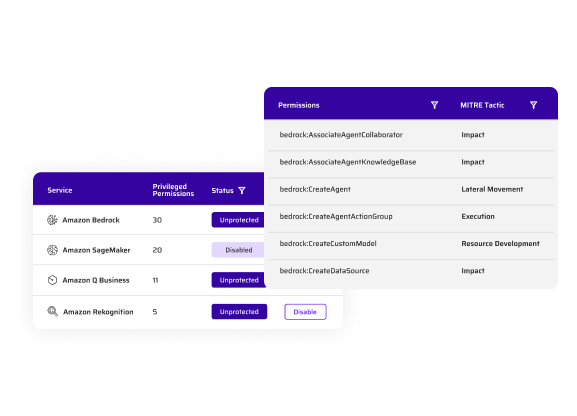
Governance settings are only effective if the permissions that alter them are secure. Sonrai blocks tampering permissions on guardrails, foundational model agreements, and workflow configurations, ensuring only approved identities can modify how your AI services behave. Keep the rules that govern your AI exactly where you set them.
Secure Your AI. Stay Compliant. Move Faster.

With Sonrai’s Cloud Permissions Firewall, you gain precision control over your AI stack with identity-first controls to prevent AI misuse, data leakage, and governance gaps, as you accelerate innovation.

How AI Agent Access Is Discovered, Controlled, and Monitored

1. Discover — Identify every AI agent identity in your cloud and map the full permissions each one holds.
2. Analyze — Compare granted permissions against actual usage. Flag over-privilege and escalation paths.
3. Enforce — Automate least-privilege controls using cloud native policy
4. Monitor — Track agent activity continuously. Alert on anomalous behavior and unauthorized access attempts.
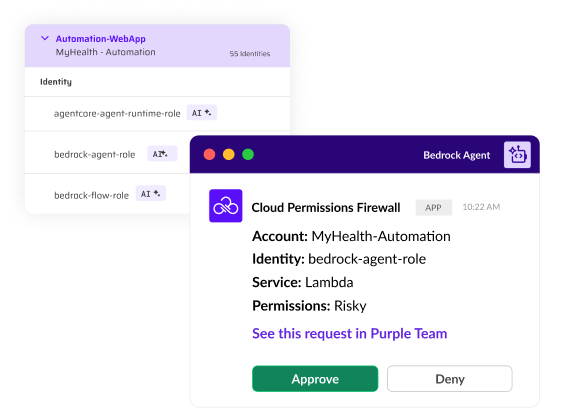
How AI Agent Access Is Discovered, Controlled, and Monitored

Just-in-Time Access Resources

Learn how Sonrai Security's automated IAM solution enforces default-deny guardrails to secure AI agent permissions in the cloud without disrupting DevOps..
Discover why IAM permissions, not just Bedrock guardrails, are the true security perimeter for AI workloads deployed in AWS.
Sonrai Security researchers uncover and responsibly disclose a vulnerability allowing long-lived Bedrock API keys to bypass AWS Service Control Policy enforcement, and how to prevent similar gaps.

AI Security: See it in Action

Curious about how to secure AI in your cloud? Get a demo today..

Frequently Asked Questions

Why do AI agents need identity and access management?

AI agents operate using cloud credentials, IAM roles or service accounts, the same as any human user. Without IAM controls, agents accumulate permissions that exceed what their tasks require, and that standing access becomes a liability if an agent is compromised or manipulated through a prompt injection attack.

What security risks do AI agents introduce in cloud environments?

The most common risks are over-privileged IAM roles, unmonitored lateral movement between services, and "confused deputy" attacks where an agent is manipulated into using its permissions on behalf of an unauthorized actor.

How can organizations control what actions AI agents are allowed to perform?

Enforce permissions at the IAM layer using cloud-native controls like AWS SCPs, IAM conditions, and resource control policies. The agent's role is scoped to only what it needs, and any action outside that scope is blocked at the cloud API level.

How does Sonrai prevent AI agents from accessing sensitive cloud resources?

Sonrai identifies each agent identity's permissions, compares them against actual usage, and enforces least-privilege policies using cloud-native IAM controls. Privileged actions require explicit authorization. Actions outside defined boundaries are blocked and flagged to security teams.

Can AI agents be treated as identities within IAM systems?

Yes. AI agents assume IAM roles or use service accounts to call cloud APIs, making them identities in the same sense as a human user. The same least-privilege principles (and the same Sonrai controls)  apply to both.

How does Sonrai monitor and audit AI agent activity?

Sonrai tracks every API call, resource access, and permission change made by agent identities. Session-level summaries give security teams a clear audit record of what happened during any agent access window, without requiring manual log analysis.